


April 22, 2026, 12:52 p.m.
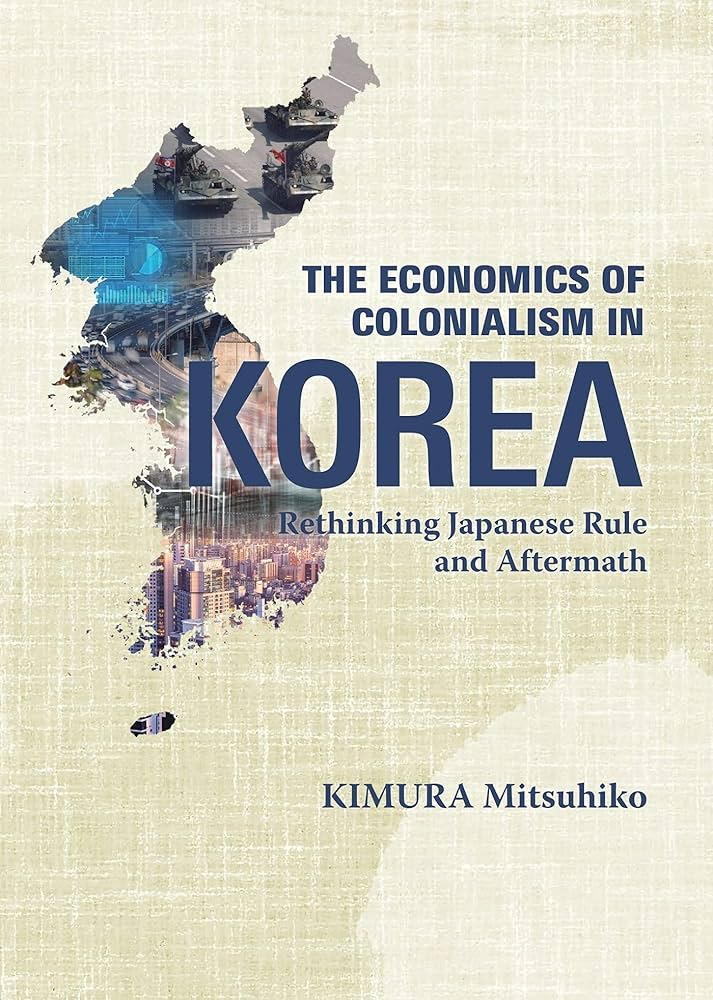
The Economics of Colonialism in Korea
Rethinking Japanese Rule and AftermathJapan Publishing Industry Foundation for Culture
The Japanese Empire had many tentacles across Asia until its defeat in World War II.
One of these was Korea, which was the target of imperial aggression from the First Sino-Japanese War of 1894–1895 until it was finally taken as a colony in 1910. For 35 years, Japan and Korea moved toward becoming one — 「naisen ittai 内鮮一体」: the currency was unified, the teaching of the Korean language was banned, the Japanese bureaucracy administered the entire territory, and Koreans and Japanese fought in the same army.
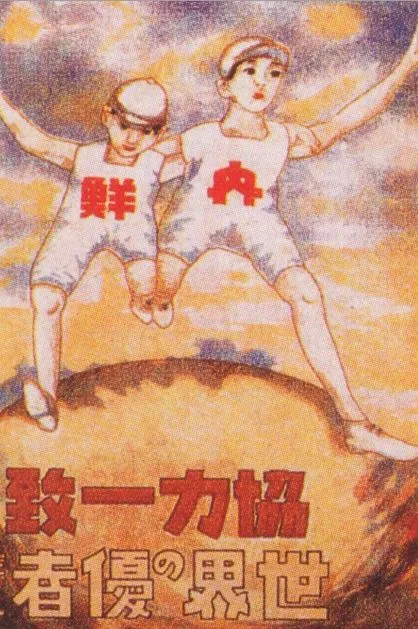
On one hand, it was a period of great economic advancement and growth in domestic product; Japan brought much of its modernizing drive to Korea, with multiple industries, railways, and institutions. On the other, it was an extremely violent process, bordering on genocide (or simply being one, according to some), which remains a source of friction in the relationship among the three nations to this day.
This book focuses almost exclusively on the first aspect. The somewhat problematic thesis of the author — a Japanese national — can be summarized as "The colonization of Korea wasn't so bad after all." In support of this, several passages are dedicated to refuting analyses that condemn imperial rule in absolute terms, which generally come from Korean scholars.
Emphasizing the economic dimension of colonial administration, the book describes with great richness of data and tables the full evolution of Korean industry and agriculture during this period. All claims are very well grounded in sources; at times, the level of detail on individual industries even seemed excessive.
As a conclusion, the author argues that Korea played a quite secondary role in the Japanese economy, while also highlighting the important role of Japanese governance in Korea's subsequent development — even arguing that the North Korean nuclear program was a legacy of Japan(!). The colonial period also partly explains the differences between the two Koreas — both sides broke with and preserved various aspects of this period, each in their own way. There is also the legacy of the very war into which Japan threw Korea, with the subsequent division of the peninsula.
This is an excellent book with solid and quite convincing research; however, its political bias must not be lost sight of. As much as I enjoyed the reading, which was very enriching, I think anyone who reads only this book about this period would come away with a very distorted picture of what Japanese imperial rule actually was.